

Dogology
In-home dog training
Bangkok & surrounding areas
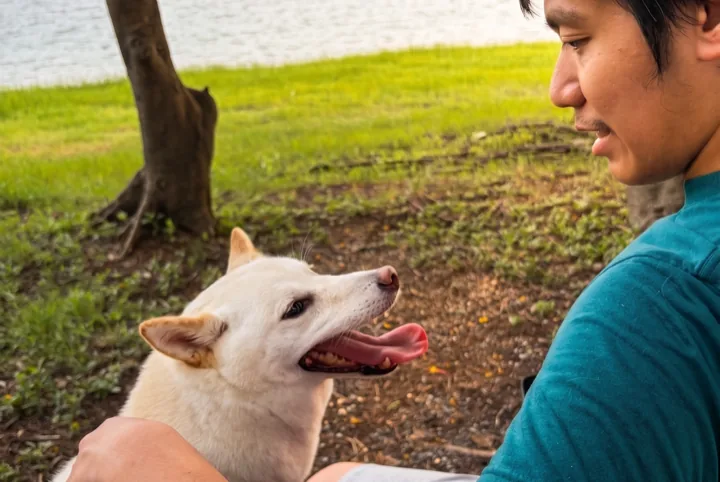
Hi, I'm Top — Nattawut Hansuwat. Positive dog trainer, and the founder of Dogology.

We brought Rickie to train with Kru Top and the change has been obvious. He used to have a very short attention span and would bark at people; now he is calmer, holds his focus much better, and is far easier to manage. Kru Top genuinely understands dogs — he trains with their nature rather than issuing commands or forcing them.
Read the original review on Google (in Thai)Dogology training programmes
Our programmes are designed by age: one for puppies, one for adult dogs. Or consult with me if you have a specific problem to address.
 Under 1 year
Puppy programme · in your home
Get through the puppy problems and build the right foundation from the start See details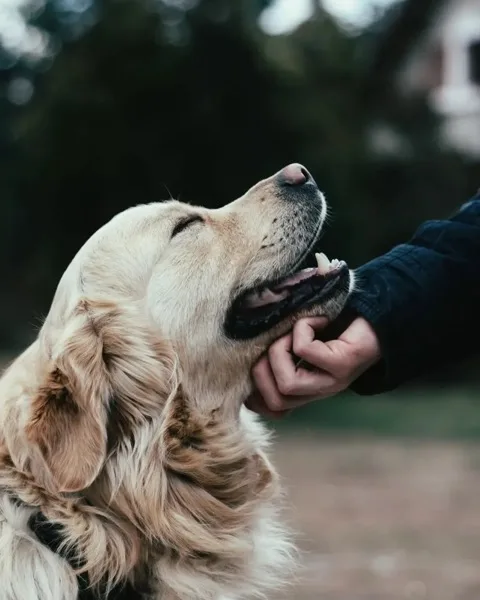 1 year and older
Adult dog programme · in your home
Fix the behaviour problems and build good habits in their place Book a slot Any age
Talk to the trainer
A diagnosis and a plan you can carry out at home · Anywhere in Thailand Book a timeWe work on the cause, not the symptom
What a dog does is only the far end of what he feels and thinks. Stop the barking, pull back when he pulls, tell him off for biting — and it goes quiet for a while, then comes back, or turns up as something else instead. So we start somewhere else: how he read that moment, and what he felt in it. Then we teach him there was another choice available all along. Change the cause and the behaviour follows — and it stays changed.
Our method
Understanding our dogs scientifically will enable us to live a fuller life with them
But myths and bad advice from the internet leave many owners with endless problems
The sad part is that behaviour problems really are not hard to fix, with the correct understanding
Train the root cause and give your dog a happy and healthy life
What it looks like in practice
A six-week behaviour case. Rickie, a dachshund just over a year old, barked and lunged at everything that went past. It looked like fear at first — but ten minutes in the room made it obvious: this wasn't fear. It was impatience.
Rickie: from lunging at everything to walking calmly through a shopping mall
- Assess, and start the foundation gamesAssessed the case at home, then started chase and name games — teaching him that being near his owner is the best thing available.
- Teach calm, and teach waitingOn-and-off switch work, alternating excitement with settling, and letting the door itself do the job a command used to do. No telling off, no pulling.
- Take it into the real worldMoved training out to Bueng Nong Bon, practising staying composed and turning back to his owner in a new place.
- Make calm a habitTrained the bed as a settle switch, and extended the disengagement games across the whole day.
- A real test, at a cafePractised waiting beside the table at a cafe while people walked past.
- The final test, at a shopping mallThe hardest one: walking through a mall and sitting in a trolley among crowds.
He came on so fast that I offered to stop at four weeks. The family wanted to run all six.
A training session
What owners say
From our own clients, translated from Thai.
Kru Top is patient, teaches with a clear method, and explains things so they are easy to follow. He understands the dog and the owner both. Four sessions in, I feel like I understand Hera so much better, and I have learned to communicate with her in a way that actually works. She has come further than I thought she could. If you put the homework in, you will see the difference.
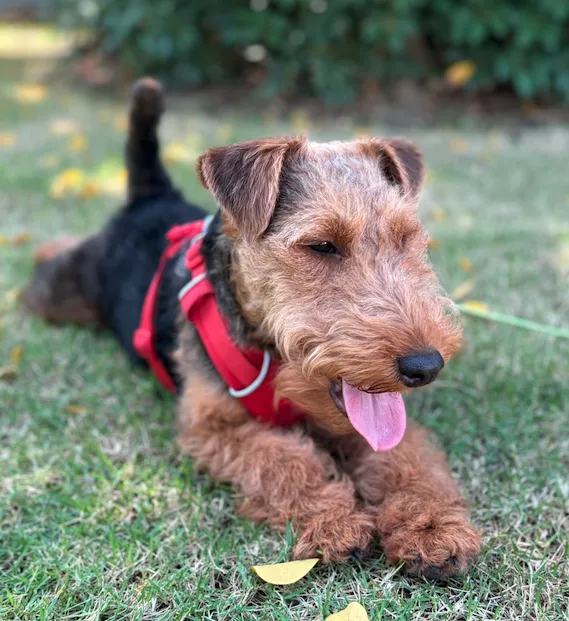 Khun Bum · HeraStarted Puppy Class at 6 months
An update on the dogs for you, Kru. IU has become so much calmer. He still barks now and then at intersections or at strangers, but far less than before. Thank you so much for being so good to them.
 Khun Nueng · IUNon-stop barking in a Pomeranian
Since the course I understand dogs so much better. I used to tell him off when he barked; now I genuinely never have to. He has settled right down, and I am not stressed either.
 Khun Som · KatiIn-home training
We train without hurting your dog —
physically or emotionally
Training with fear and force does work quickly. What it leaves you with is a dog who's quiet because he's afraid of you. We teach him to understand instead — and that stays with him for life. So there are things we will never use:
- Prong collars
- E-collars / shock collars
- Slip leads and choke chains
- Alpha rolls / pinning
- Leash corrections
- Loud noises or thrown objects to startle him into stopping
- Shouting, hitting, or frightening him in any form
The only thing I ask of you is 10–15 minutes of homework a day. The rest is on me.
Where and how we teach



Not sure where to start?
Tell me what you're dealing with and I'll work out where your dog should start, and which course fits him.
Book a slotNothing to pay to ask